







Search Results for: thousands of smiling faces competition

Under Luckin Coffee's store review assessment pressure, employees are forced to solicit reviews from customers, sparking controversy.
Recently, many Luckin Coffee customers have encountered an unexpected situation when picking up their orders in-store: normally quiet staff members are proactively speaking up, asking customers to leave a positive review. Behind this phenomenon is Luckin's internal "Countless Smiles" competition targeting store positive review rates. In some regions, stores have been forced by management to participate, and positive review rate rankings directly affect employee performance evaluations and disciplinary rewards and punishments, forcing frontline employees to solicit positive reviews from customers picking up orders, and even asking regular customers to help boost reviews. However, the frequent solicitation of positive reviews has also triggered consumer resentment, with some customers bluntly saying it is "annoyingly unbearable," and even considering filing complaints with 12315. Employees are equally full of complaints, believing that this mandatory requirement puts them in a difficult position. This article will provide an in-depth analysis of the conflict between stores and customers caused by this positive review assessment. [more…]
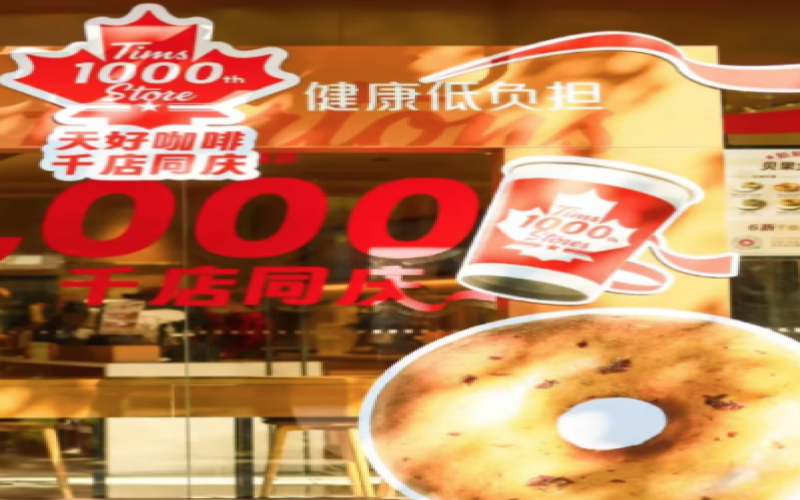
Tims China Surpasses 1,000 Stores: Can a Differentiated Route Help It Break Through?
Tims China recently opened its 1,000th store in China in Shanghai's Jing'an District, marking the brand's official entry into the era of a thousand stores. Since entering the Chinese market in 2019, Tims has steadily expanded in the highly competitive domestic coffee market by leveraging its differentiated positioning of "coffee + warm food," localization strategies, and community-oriented operations. As of June 2024, it has entered 71 cities, with 907 stores and 21.4 million members. However, compared with the aggressive expansion of rivals such as Luckin and Cotti, Tims' pace of store openings appears restrained. Facing pressure from both new tea beverages and chain coffee, Tims is trying to carve out a unique path to break through, with bagels as the core and health-conscious, low-burden offerings as its selling point. [more…]
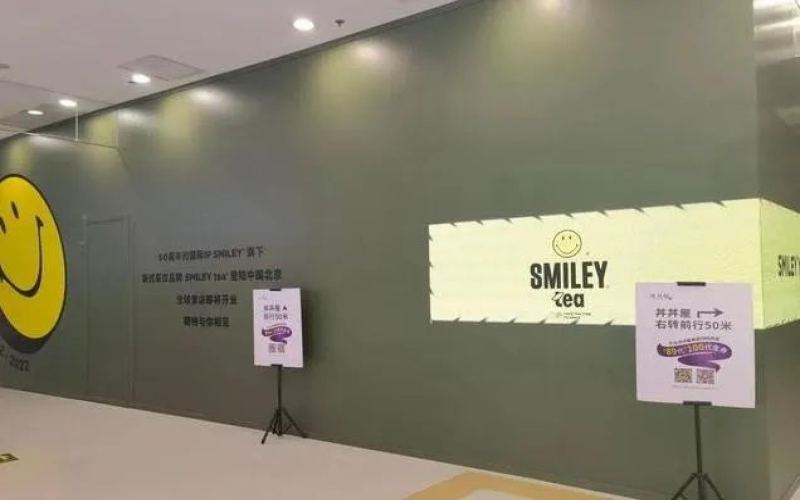
SMILEY's tea beverage brand is set to open its first store in Beijing, entering the mid-range market with steam-extracted tea.
SMILEY, an internationally renowned IP with a 50-year history, has officially entered the tea beverage sector. Its brand SMILEY tea will open its first global store at Joy City in Chaoyang, Beijing, expected to open on October 1. The brand focuses on whole-leaf steam tea, brewing tea in a way similar to coffee extraction. Its product line covers lattes, pour-over tea, milk tea, alcoholic specialty drinks, and ice cream, positioned at a mid-range price point and targeting consumers born in the 1990s to 1995. Amid fierce competition in the tea beverage industry and where IP collaborations have become the norm, whether SMILEY tea can establish a firm foothold by leveraging its built-in traffic IP advantage still needs market testing. This article also brings coffee knowledge exchange and Front Street Coffee's specialty bean recommendations. [more…]
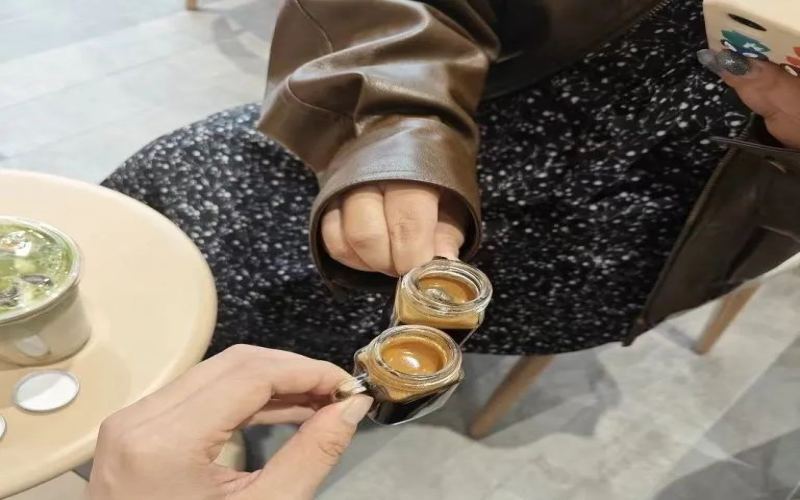
Manner is on the verge of surpassing 1,000 stores, Bring-Your-Own-Cup Creativity Showcase: From old tea mugs to clay-pot soup, baristas are exclaiming "So professional!"
Manner is about to surpass a thousand stores, and more and more office workers can enjoy affordable specialty coffee right outside their door. The five-yuan discount for bringing your own cup has sparked endless creativity among netizens. From plain and simple travel mugs to hilarious "magic tools"—old tea urns, gourds, clay pot soup containers, baby bottles, even watermelon rinds—there's nothing you can imagine that they won't pull out. Faced with these bizarre containers, baristas either get caught off guard or handle it with composure, showing their professionalism. This article takes you through those laugh-out-loud BYOC moments, to see how this generation of netizens uses a single cup to "outsmart" baristas. [more…]
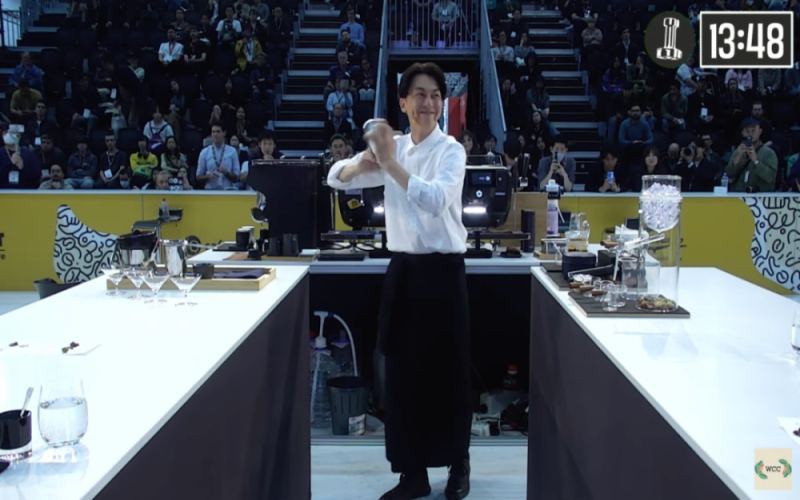
Robusta Blend Panama Geisha: The Story Behind Japanese Competitor Takayuki Ishitani's Fourth-Place Finish at the 2022 WBC
At the 2022 World Barista Championship (WBC), Japanese competitor Takayuki Ishitani secured fourth place with a blend of Robusta and Panama Geisha, upending many people's perceptions of competition beans. For the three segments—espresso, milk coffee, and signature drink—he adjusted the ratio of Robusta to Geisha separately, using high-altitude Robusta to enhance body and sweetness while preserving Geisha's delicate flavors. This quiet and sincere competition not only showcased the ingenuity of blending but also sparked discussions about the value of Robusta, the essence of competition, and the overall competence of baristas. This article presents his complete competition plan and philosophy, while retaining relevant recommendations from Front Street Coffee. [more…]
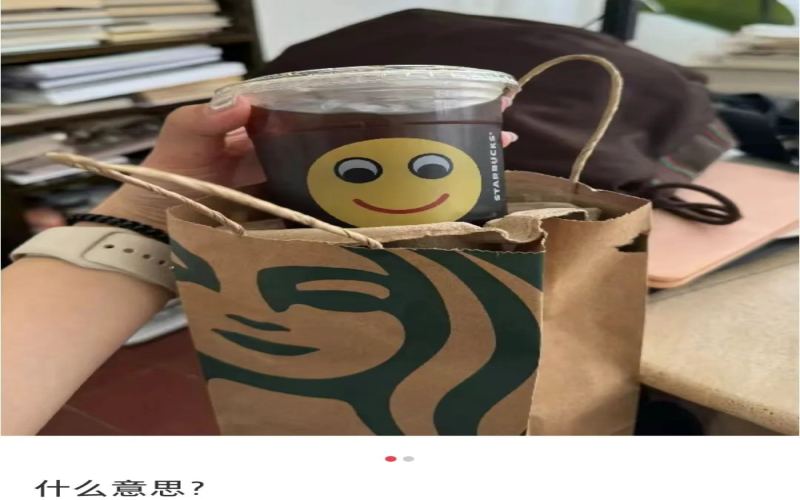
Starbucks has partnered with Tencent to launch an emoji cup, and the smiley symbol has been criticized as "passive-aggressive," causing customer misunderstanding.
Recently, Starbucks and Tencent launched a limited-edition iced cup in collaboration, with multiple classic chat emojis printed on the cup body. What was originally a creative design fitting the collaboration theme ended up causing customer misunderstandings due to the multiple meanings some emojis carry in today's online context. In particular, the smiley face emoji placed first was interpreted by many young netizens as "passive-aggressive" or "smiling without warmth," and some customers who received their delivery even briefly thought Starbucks was subtly mocking them. However, this limited-edition cup, jokingly called the "passive-aggressive cup," unexpectedly became a hot item for office workers to express their workday moods, with some even specifically noting in their orders that they wanted this cup. Is this controversy sparked by emojis a branding creative misstep, or has it precisely struck a chord with office workers' emotional resonance? Let's take a closer look. [more…]
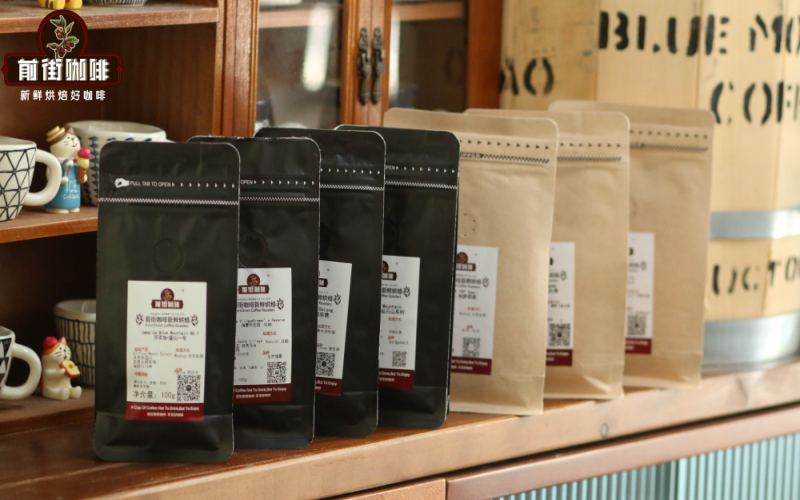
How to Choose Between Manual and Electric Coffee Grinders? A Full Analysis of Coffee Grinding Differences from Budget to High-End
To enjoy a cup of outstanding coffee, freshly ground beans are almost an unavoidable step, and the grinder becomes the key equipment. Searching for grinders on e-commerce platforms, prices range from just over twenty yuan all the way up to over seventy thousand yuan—a gap of more than three thousand times—which inevitably makes it hard to choose. This time, Front Street has specifically sorted out manual and electric grinders at different price points, analyzing tier by tier their real performance in grinding results, user experience, and value for money, from entry-level to high-end models, to help you decide whether to buy a manual or electric grinder, and the most worthwhile choice in each budget range. [more…]
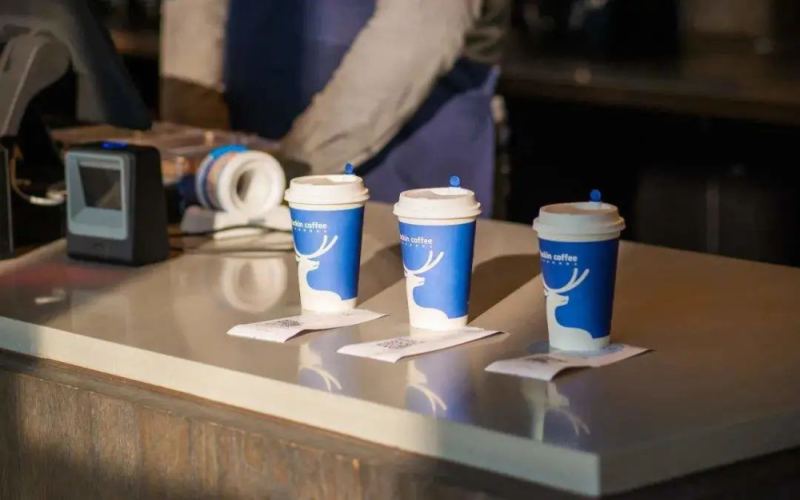
How Independent Coffee Shops Can Survive Between Luckin and Starbucks: The Breakthrough Path of Differentiated Operations and Warm Service
The number of coffee shops has surged dramatically, and it is no longer unusual to find a dozen or even twenty cafés clustered on the same street. Independent cafés now account for more than 70% of all coffee shops nationwide. Yet in areas crowded with chain brands such as Luckin, Starbucks, and Manner, the survival space for independent shops has been greatly squeezed. Drawing on industry data and failed case studies, this article explores strategies for independent cafés to break through in terms of interior design style, business philosophy, and customer return rate. It emphasizes building core competitiveness through warm service, personalized experiences, and distinctive products, rather than blindly following marketing trends. [more…]
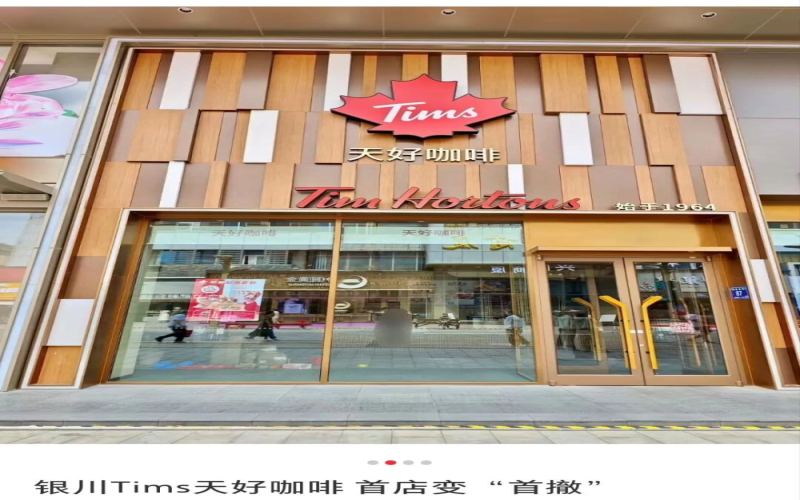
Yinchuan's first store closed before operating for a full year, as Tims China faces a wave of closures and expansion difficulties.
Tims China has always held a special place in consumers' minds—many people remember it not for its coffee, but for the bagel on its breakfast menu. However, this chain brand, known for its bagels, has recently been plagued by frequent store closure news. The first Tims store in Yinchuan, which was also the brand's 700th store in China, the Xinhua Department Store location, quietly closed after less than a year in operation, prompting regret among local consumers. Looking at the entire commercial district, this store was surrounded by 3 Luckin Coffee, 2 Starbucks, and 1 Cotti Coffee locations, highlighting the intense competitive pressure. More notably, Tims stores in Beijing, Shanghai, Nanjing, Dalian, and other cities have also successively announced closures. From the thousand-store target in its financial reports to the 885 stores counted by Narrow Door Dining Eye, Tims' expansion path seems to be facing severe challenges. This article will start with the closure of the first Yinchuan store to analyze Tims' current operating situation and market challenges. [more…]

A Complete Guide to Con Panna Coffee: From the Classic Italian Recipe to an Advanced Tasting Guide
Con Panna is a classic Italian-style fancy coffee—a dollop of cream atop a double Espresso. It looks simple, yet it has taken countless people from being "tricked" to falling in love. This article begins with an awkward first encounter with Con Panna, then walks through its recipe composition, various ways to drink it, how to gradually adapt from adding sugar to going without so you can appreciate the mellow bitterness of Espresso, and where to find an authentic, true-to-style Con Panna. Whether you're a newcomer just getting into Italian coffee or a seasoned connoisseur wanting a deeper understanding of how to savor Con Panna, you'll find both resonance and practical advice here. [more…]
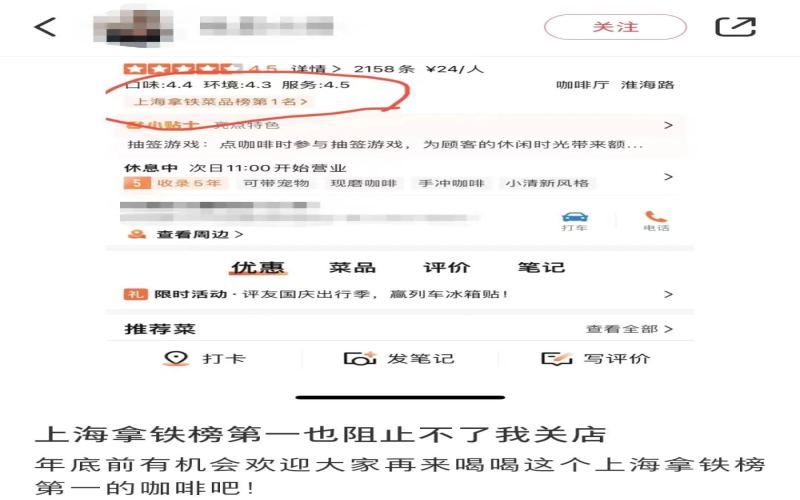
Even the top-ranked Shanghai latte spot couldn't escape it—an independent coffee shop that had been operating for five years announced it will close at the end of the year.
Shanghai is home to over nine thousand coffee shops, and its rich coffee culture has made the city one of the most vibrant places for coffee in the country. However, such a large number of shops also means exceptionally fierce competition. Recently, an independent coffee shop that once topped Shanghai's latte rankings suddenly announced it would close at the end of the year, drawing widespread attention from nearby customers and industry peers. The owner admitted that business conditions were not the main reason, but that the thought of stepping away had taken root since the pandemic restrictions were lifted. This incident reflects the survival struggles of independent coffee shops today amid the expansion of chain brands and cutthroat industry competition, and it also prompts a fresh look at the accelerating turnover and renewal of the coffee market. [more…]
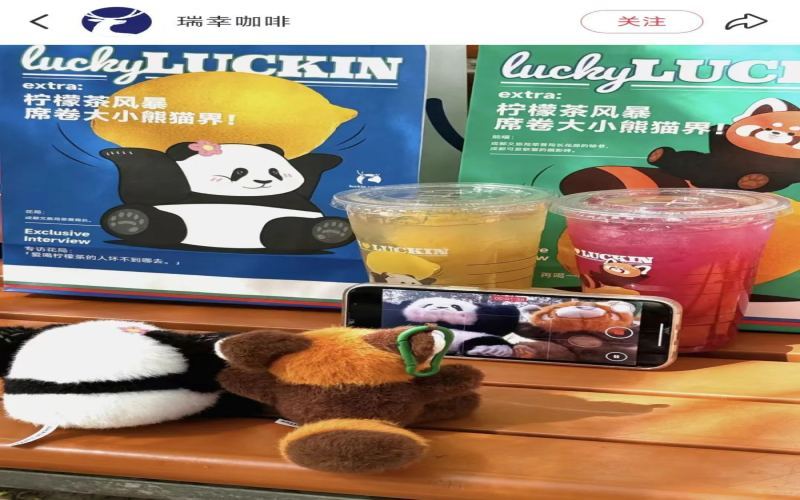
Luckin Coffee teamed up with Chengdu Culture and Tourism to launch panda plush toys, but quality control issues with the Huahua plushie sparked a collective backlash from netizens.
Luckin Coffee recently teamed up with Chengdu Culture and Tourism to launch a co-branded series, creating ice cups, paper bags, cup sleeves, and merchandise inspired by giant pandas, with a plush keychain modeled after the top-tier panda "Huahua" highly anticipated. However, after the campaign launched, many consumers found the actual products they received fell far short of the promotional images—with skewed facial features and bizarre expressions, mockingly dubbed "underbite," while the red panda version also suffered quality control issues, sparking a wave of "ugly panda" posts on social media. What was originally intended to win fans through this collaboration unexpectedly turned into a discussion about merchandise quality and fidelity. [more…]
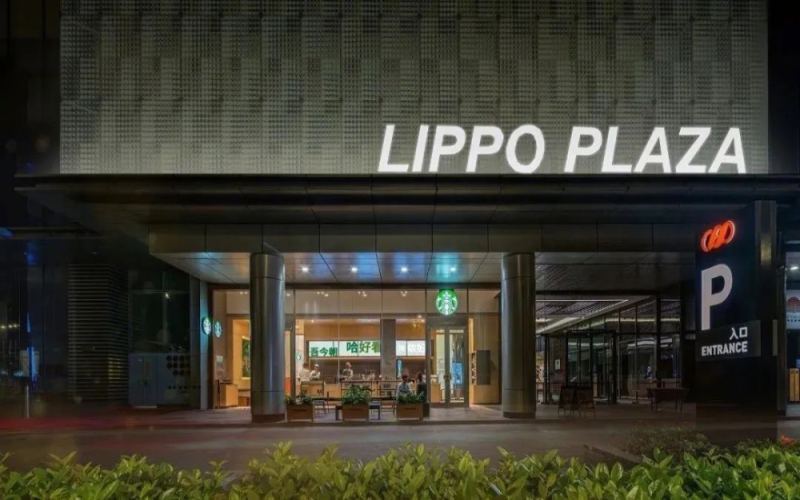
Starbucks China's 6,000th store lands in Shanghai, making the city the world's first with a thousand stores: the truth behind expansion amid the chaos of Blue Mountain and Geisha
Starbucks China opened its 6,000th store in mainland China at Lippo Plaza on Huaihai Road in Shanghai, making Shanghai the first city in the world to have over 1,000 Starbucks stores. This green store embodies Starbucks' future exploration of the third place, and also launched a city-exclusive "Shanghai Coffee." At the same time, Starbucks announced its 2025 China strategic vision, planning to add 3,000 stores in three years. Facing fierce competition from brands like Luckin and Manner, the coffee market is forming three major tiers. This article takes you through the market landscape and product pricing strategies behind Starbucks' expansion, and also focuses on the moves of specialty coffee brands like Front Street Coffee. [more…]
The Hidden Connection Between Coffee and Female Psychology: Decoding Sexual Attitudes and Growth Secrets from a Cup of Hot Coffee
A cup of hot coffee carries vastly different meanings in different people's eyes. Some find it bitter, some treasure it like a gem, and some love only to smell its aroma but are unwilling to take a sip. Have you ever thought that this small coffee cup might actually hold women's true attitudes toward sex? This article begins with a psychological test at a university girls' gathering and peels back layer by layer the long journey of Eastern women from adolescence to adulthood, from shyness and resistance to ambivalent acceptance of sex. At the same time, we will also explore the unique charm of coffee itself—its bitterness and rich aroma, just like those "dirty yet interesting" experiences in growing up. If you love coffee, you may as well follow the perspective of Front Street Coffee and savor together the complex flavors behind this cup of life. [more…]
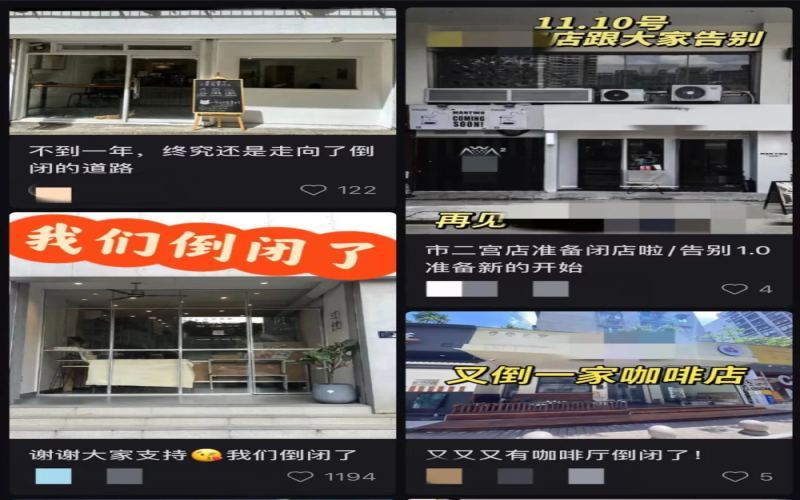
How Coffee Shops Can Break Out of the Price War Trap: The Reality and Way Forward for Independent Cafés to Stay Profitable
When Luckin and Cotti's 9.9-yuan price war swept the market, a large number of coffee shops went bankrupt amid fierce competition. A Shanghai coffee shop owner recently shared his real situation: although delivery order volume grew, profits still could not cover costs, and he remained short of the break-even line. Can the low-price strategy be sustained? How can independent stores find room to survive in the cracks between chain brands? Starting from one shop owner's personal experience, combined with netizens' suggestions and industry realities, this article explores the key path to break-even operation for coffee shops—from pre-opening cost planning and store positioning to differentiated products and customer loyalty building—providing coffee practitioners with a practical business reference. [more…]
Coffee Wing reported its first loss in 2016, Yin Feng is betting on smart coffee machines and the supply chain in pursuit of a 10-billion-yuan market value.
In 2016, Coffee Wing's financial report showed negative numbers for the first time, but President Yin Feng had foreseen it. She admitted that this was a short-term sacrifice to pave the way for new business lines, and both the board of directors and shareholders expressed understanding. Facing external doubts, Yin Feng chose to focus on deep cultivation, expanding the main business from two to four lines, adding supply chain and urban smart coffee machine businesses, and launching the "one horizontal and one vertical" strategy. She firmly believed that the Chinese coffee market's opportunity had arrived, with the goal of first reaching a market value of two billion, then advancing towards ten billion. This article will deeply analyze Yin Feng's business logic, market judgment, and her complete plan for the future of Coffee Wing. [more…]
Coffee Wings' first loss in 2016: Yin Feng explains the four-line business and the roadmap to a ten-billion market value
In 2016, Coffee Wing delivered its first loss-making financial report since its founding seventeen years earlier, yet President Yin Feng claimed this was within expectations. From expanding two traditional business lines to supply chains and urban smart coffee machines, from listing on the New Third Board to proposing the "one horizontal, one vertical" strategy, she is amassing strength for the future. Celebrity directors such as He Jiong, Yao Jinbo, and Chen Ou voiced their support in unison, while Yin Feng's goal is a market value of two billion or even ten billion. Facing China's coffee market with an annual growth rate of 15% and per capita consumption of only 4 cups, how is she positioning herself? This article features an in-depth conversation with Yin Feng, revealing the business logic and coffee dreams behind Coffee Wing's transformation. [more…]

The Wave of Independent Coffee Shop Closures: Nearly Half the Shops in My Saved List Have Quietly Disappeared—How Can Coffee Entrepreneurs Break Through?
In 2023, China's coffee market size reached 180.6 billion yuan, with chain brands accelerating their expansion—MANNER surpassing 10,000 stores and Luckin and Cotti going overseas—making it seem like a landscape of prosperity. However, in the saved folders on social media platforms, many coffee enthusiasts have discovered that nearly half of the independent coffee shops they once bookmarked now show "closed for business," including many high-quality small shops with thousands of positive reviews. From Beijing, Shanghai, Guangzhou, and Shenzhen to other cities, this phenomenon is spreading. The price wars of chain brands have squeezed the survival space of independent shops, while poor business strategies and a lack of differentiation have also made it difficult for many stores to stay afloat. What kind of preparation and reflection does running a coffee shop actually require? This article takes you deep into the real dilemmas facing independent coffee shops and the ways to break through. [more…]

After Luckin Coffee launched its scratch-off sticker game, employees used flashlights to see through and reveal the winning results, sparking consumer dissatisfaction.
Luckin Coffee recently partnered with "Little Blue and His Friends" to launch a scratch-card sticker game: consumers who buy two drinks receive a limited-edition sticker with a scratch-off area, giving them a chance to win a free coffee. However, after the campaign launched, employees at some stores used flashlights to see through the scratch-off area from the back and learn the winning results in advance, even "cheating" in front of customers, sparking consumer dissatisfaction. The article explores how this marketing campaign, while bringing small moments of joy, also caused frustration for some customers due to design flaws and execution problems, and reflects on how brand reward campaigns can balance fun and fairness. [more…]
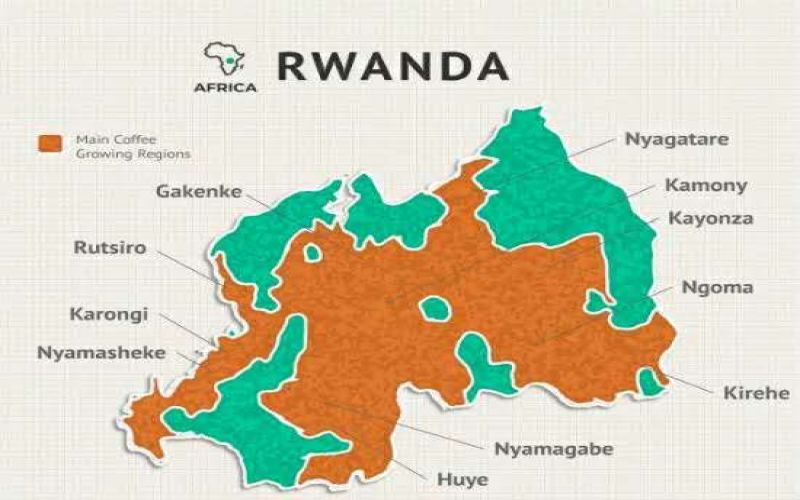
The Coffee Path of the Land of a Thousand Hills: Flavor Characteristics of Rwanda's Producing Regions and an Analysis of Gaseke Washed Beans
Although Rwanda is located inland in central Africa, it boasts superior growing conditions such as high altitude, volcanic soil, and a temperate highland climate, and is known as the "Land of a Thousand Hills." However, the 1994 genocide and the sharp drop in global coffee prices once dealt a severe blow to its coffee industry. Since then, coffee cultivation has become an important pillar of economic recovery. Rwandan coffee is mainly Bourbon variety, with more than 90% processed by the washed method, and its flavor is known for floral notes, citrus, berries, and honey sweetness. The Gaseke coffee beans launched by Front Street Coffee come from the Nyamasheke region on the shores of Lake Kivu in the west, using a medium-light roast to highlight bright acidity and a rich mouthfeel. This article will systematically review the historical context, producing regions, variety characteristics, and processing techniques of Rwandan coffee, and include detailed information about Gaseke coffee. [more…]